
The useful answer
A useful drying record identifies the material, measurement location, instrument or method, comparison basis and dated progress. Before finishes conceal the area, ask the provider to explain the final condition and the evidence supporting closure.
Can this record explain the drying decision?
| Record field | Useful evidence | Follow-up question |
|---|---|---|
| Location and material | Room, measurement point and material named consistently. | Are later readings from comparable points? |
| Instrument and comparison | Method, scale and suitable comparison material explained. | What makes this reading meaningful for this material? |
| Progress and interruptions | Dates, equipment changes, outages or missed access documented. | What changed in the plan when progress changed? |
| Final decision | Condition-based explanation of retained, removed or closed-up material. | Why is this material ready, and has the original source been addressed? |
If a field is missing, request that explanation before accepting the record as evidence. Do not compare readings from incompatible materials or instrument scales.
A reading needs context
Ask which material was measured, where the reading was taken and what comparison supports it. Different instruments and materials can use different scales. A number without a location or method is hard to interpret.
Track the work over time
A useful log relates progress to the affected locations, equipment and changing conditions. Ask how missed access, equipment moves or power loss will be recorded. The purpose is to explain the drying decision, not simply to fill a form.
Review the endpoint
Before new finishes hide the area, ask why retained materials are considered ready. Request the final record and confirmation that the original source has been addressed. Keep the evidence with the scope and payment records.
Resolve unclear findings
If the explanation is unclear, ask for clarification or an independent assessment appropriate to the situation. A surface that looks dry and a promised schedule are not substitutes for the provider’s documented evaluation.
Related restoration services
Structural drying
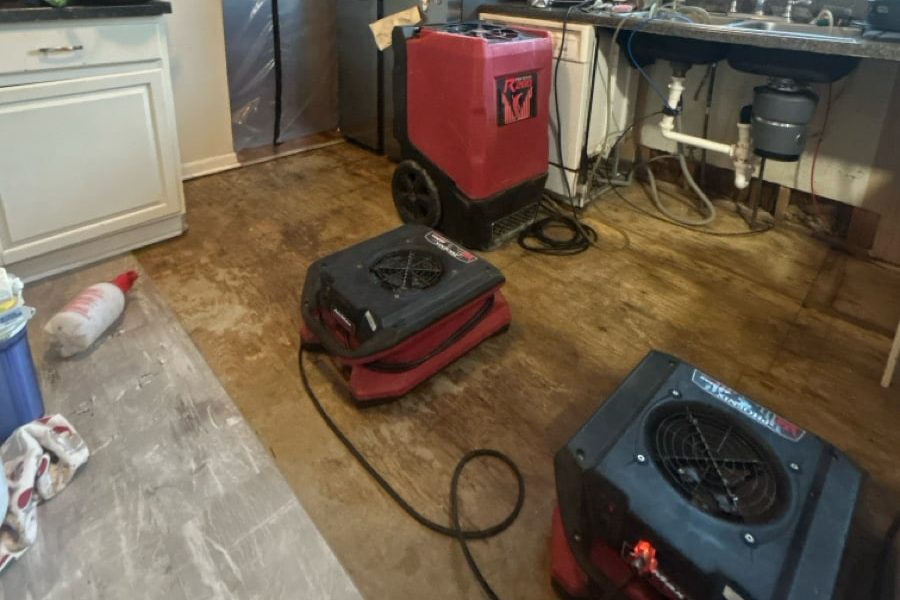
Drying is a measured process. Air movement, dehumidification and repeated moisture checks help a provider decide when affected materials are ready for the next step.
Read moreMoisture inspection
A moisture inspection helps define what is affected, where water may have traveled and what needs closer investigation. Readings should be explained in the context of the material.
Read moreSources and further guidance
- EPA mold and moisture guidance
- Raleigh flood-risk information
- National Weather Service Raleigh
- EPA flooded-home guidance
- North Carolina insurance consumer assistance
Explore the Learning Center · More focused answers in the Blog