
The useful answer
Compare estimates only after matching the included rooms, materials and stages of work. Separate source repair, extraction, drying, disposal and reconstruction. A lower total can simply leave out work that another quote includes.
Compare scope before comparing totals
| Estimate item | Ask for | Decision if missing |
|---|---|---|
| Removal and disposal | Materials, quantities, disposal and protection included in writing. | Request the missing boundaries before comparing totals. |
| Drying and monitoring | Equipment charges, monitoring visits, extra-time authorization and completion evidence. | Clarify the basis for extensions; a day count is not a drying endpoint. |
| Source repair and rebuilding | Who performs each stage and whether it is inside this contract. | Budget and arrange excluded stages separately. |
| Changes and payment | Written approval process, payment schedule and applicable cancellation terms. | Resolve unclear terms before authorizing work. |
The comparison tool below summarizes only amounts you enter and highlights scope differences. It does not estimate restoration prices or insurance reimbursement.
Estimate scope comparison
Enter amounts from two written estimates. Mark only the stages expressly included in each. Zero is a valid amount; an empty amount is unknown. Values stay in this page and are cleared on reload.
Use US dollars from 0 to 1,000,000, with no more than two decimal places. This compares your inputs, not market prices.
Enter both totals and included stages to see the comparison.
Compare the same work
A lower total can exclude drying, disposal or repair. Put the proposed line items side by side. Identify which rooms and materials are included and which conditions could change the price. Do not compare two totals until those boundaries are clear.
Ask how equipment is charged
Clarify equipment counts, daily rates if applicable, monitoring visits and the process for removal. Ask who authorizes extra time and how an outage or access delay changes the plan. A quote should make those decisions understandable.
Check documentation and credentials
Ask for the legal business name and verify any license, certification or insurance claim it makes. Request baseline and final moisture records where relevant. Avoid signing incomplete paperwork or accepting a verbal guarantee in place of written terms.
Separate the insurer’s decision
A provider’s estimate is not the insurer’s coverage determination. Ask your insurer about the policy, deductible and documentation process. Keep decisions about authorization, coverage and reimbursement distinct.
Related restoration services
Structural drying
Drying is a measured process. Air movement, dehumidification and repeated moisture checks help a provider decide when affected materials are ready for the next step.
Read moreMoisture inspection
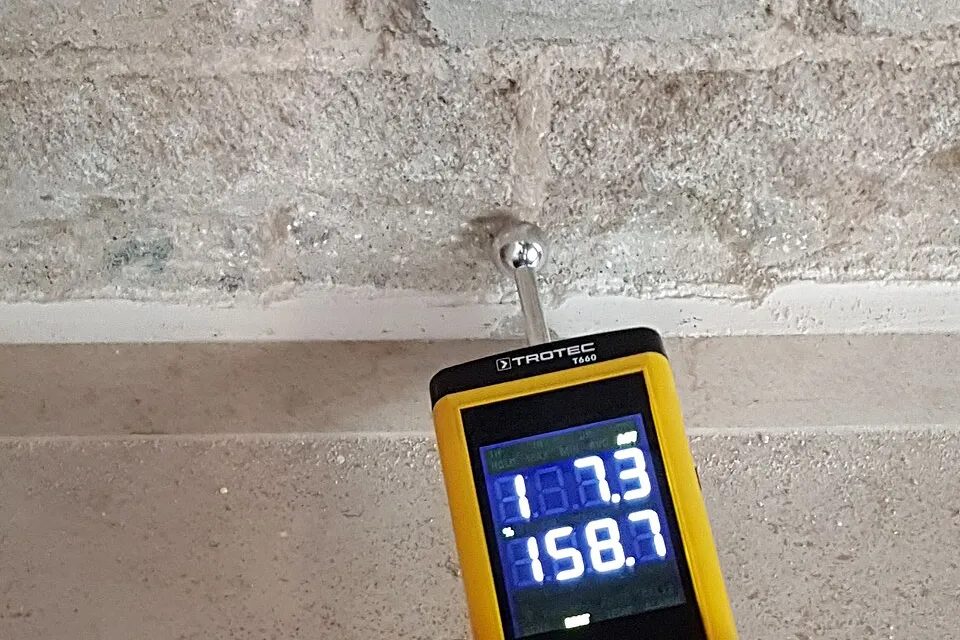
A moisture inspection helps define what is affected, where water may have traveled and what needs closer investigation. Readings should be explained in the context of the material.
Read moreSources and further guidance
- EPA mold and moisture guidance
- Raleigh flood-risk information
- National Weather Service Raleigh
- EPA flooded-home guidance
- North Carolina insurance consumer assistance
Explore the Learning Center · More focused answers in the Blog